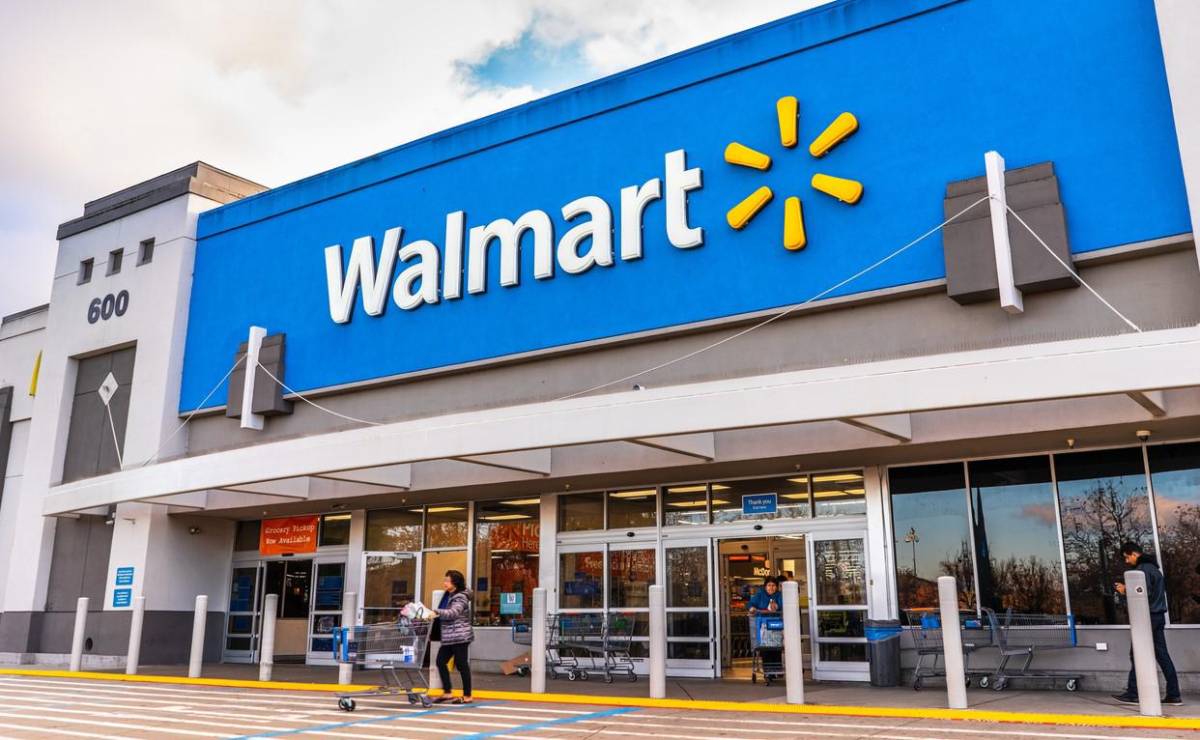
In the sprawling landscape of global retail, where competition is relentless and disruption the norm, few names carry the weight and legacy of Walmart. With humble beginnings in a small town in Arkansas, Walmart grew into the largest retailer in the world, reshaping how millions shop and setting benchmarks for pricing, logistics, and operational scale. What Amazon represents for the digital age, Walmart has long represented for the physical world—a symbol of consumer access, affordability, and supply chain supremacy. But in recent years, Walmart has proven that it is more than a relic of the pre-digital era. Rather, it has transformed into a formidable hybrid player, leveraging its physical dominance to compete in a digitally evolving economy.
Founded in 1962 by Sam Walton, the first Walmart store opened in Rogers, Arkansas, built on a simple but radical principle: offer low prices every day. Walton believed that by keeping margins slim and costs low, he could pass the savings on to customers—particularly in rural and underserved communities. His philosophy disrupted traditional retail and turned Walmart into a household name. By the 1990s, Walmart had overtaken giants like Kmart and Sears, becoming the largest retailer in the United States and eventually the world.
Walmart’s rise is a story of relentless expansion. Its model focused on economies of scale, central warehousing, and a supply chain optimized to squeeze every cent out of its operations. The company’s vast network of distribution centers, combined with cutting-edge inventory systems and real-time sales data, allowed it to keep shelves stocked at lower costs than competitors. This operational edge was not just about logistics—it was a strategic advantage that enabled Walmart to dictate terms to suppliers, keep prices low, and build unmatched purchasing power.
Its influence was particularly transformative in rural America. Where few national chains dared to go, Walmart built Supercenters—vast stores combining groceries, electronics, clothing, and pharmaceuticals under one roof. This “one-stop-shop” concept became a cornerstone of American retail life, especially in small towns. Critics charged that Walmart’s presence crushed local businesses and homogenized communities, but supporters argued that it democratized access to goods at affordable prices.
Internationally, Walmart’s ambitions were just as bold. The company entered Mexico in 1991 through a joint venture and rapidly expanded across Latin America, Asia, and beyond. Not every expansion was a success—Walmart faced significant cultural, regulatory, and logistical hurdles in markets like Germany and South Korea, where it eventually exited. But in countries like Mexico, Chile, and China, Walmart built substantial footholds, adapting its model to local preferences.
Despite its size and dominance, Walmart faced perhaps its most existential challenge in the 21st century: the digital revolution. As e-commerce surged, led by Amazon’s frictionless convenience and logistics wizardry, Walmart was forced to rethink its legacy business. It could no longer rely solely on low prices and big-box stores; it had to reinvent itself for a world that shopped on screens rather than shelves.
Under the leadership of Doug McMillon, who became CEO in 2014, Walmart embarked on a profound transformation. It invested heavily in technology, digital infrastructure, and online services. The acquisition of Jet.com in 2016 signaled Walmart’s seriousness in e-commerce, though the platform was eventually phased out. The real win was internal: Walmart absorbed Jet’s talent and culture, and pivoted toward a more agile, digital-first mindset.
Walmart.com was revamped to compete with Amazon’s user experience. A sophisticated mobile app, seamless checkout processes, and expanded third-party marketplaces helped position Walmart as a viable online contender. The company leveraged its greatest untapped asset—its physical stores—as distribution hubs for buy-online-pickup-in-store (BOPIS) and same-day delivery services. With over 4,600 stores across the U.S., 90% of Americans live within 10 miles of a Walmart—an edge even Amazon struggles to match.
In 2020, Walmart launched Walmart+, a membership program designed to rival Amazon Prime. While the service is still maturing, it represents Walmart’s intention to lock in customer loyalty through convenience, perks, and digital integration. The move reflects a broader trend: Walmart is no longer simply reacting to Amazon, but actively reshaping its own identity in the age of hybrid retail.
Walmart’s investments in technology and innovation extend beyond e-commerce. It has deployed machine learning to optimize inventory, experimented with autonomous delivery vehicles, and launched fintech partnerships to expand digital payment and banking services. Through Walmart Connect, its growing advertising division, the company is monetizing its massive data troves—much like Amazon—by offering brands targeted ad placements across its digital platforms.

Its role in grocery retail remains unmatched in the U.S., and it continues to expand its private-label offerings, pushing aggressively into fresh food, organics, and health-conscious products. Walmart is also experimenting with healthcare clinics, aiming to provide affordable medical services in its stores—yet another way to deepen its connection with the everyday consumer.
Yet Walmart’s story is not without controversy. Its labor practices have long been scrutinized, from low wages and insufficient benefits to its resistance to unionization. While the company has raised wages in recent years and invested in employee development, critics argue it still falls short of delivering equitable working conditions. Furthermore, Walmart’s environmental footprint, though now addressed through sustainability goals and emissions reduction plans, remains under pressure from watchdogs and activists.
The COVID-19 pandemic further tested Walmart’s resilience. While many retailers shuttered or downsized, Walmart thrived. Its designation as an essential business kept doors open, while its omnichannel investments paid off with surging online sales. It hired hundreds of thousands of workers and demonstrated logistical flexibility under crisis conditions. The company’s performance during the pandemic not only reaffirmed its relevance—it highlighted its adaptability in moments of upheaval.
Today, Walmart stands at a strategic crossroads. It continues to be a dominant force in traditional retail, but its long-term growth depends on how well it integrates digital innovation, ethical business practices, and global agility. In India, for example, Walmart acquired a majority stake in Flipkart, one of the country’s largest e-commerce platforms. This move reflects both the challenges and potential of global digital expansion.
More broadly, Walmart’s future may hinge on its ability to become more than a retailer. With interests in healthcare, finance, advertising, and even the metaverse, the company is betting on diversification. But unlike tech companies that often chase trends, Walmart’s moves tend to be pragmatic and grounded in core competencies. Its scale, brand trust, and operational discipline remain formidable assets.
At its heart, Walmart is a company of paradoxes: enormous yet nimble, criticized yet beloved, deeply American yet globally entrenched. Its legacy is inseparable from that of modern retail itself, and its next chapter will help define the balance between bricks and clicks, scale and intimacy, efficiency and responsibility.
In a retail world increasingly defined by digital ecosystems, Walmart has proven it is not simply surviving—it is evolving. And as it charts a path forward, one thing remains clear: the world’s largest retailer still has something to prove.