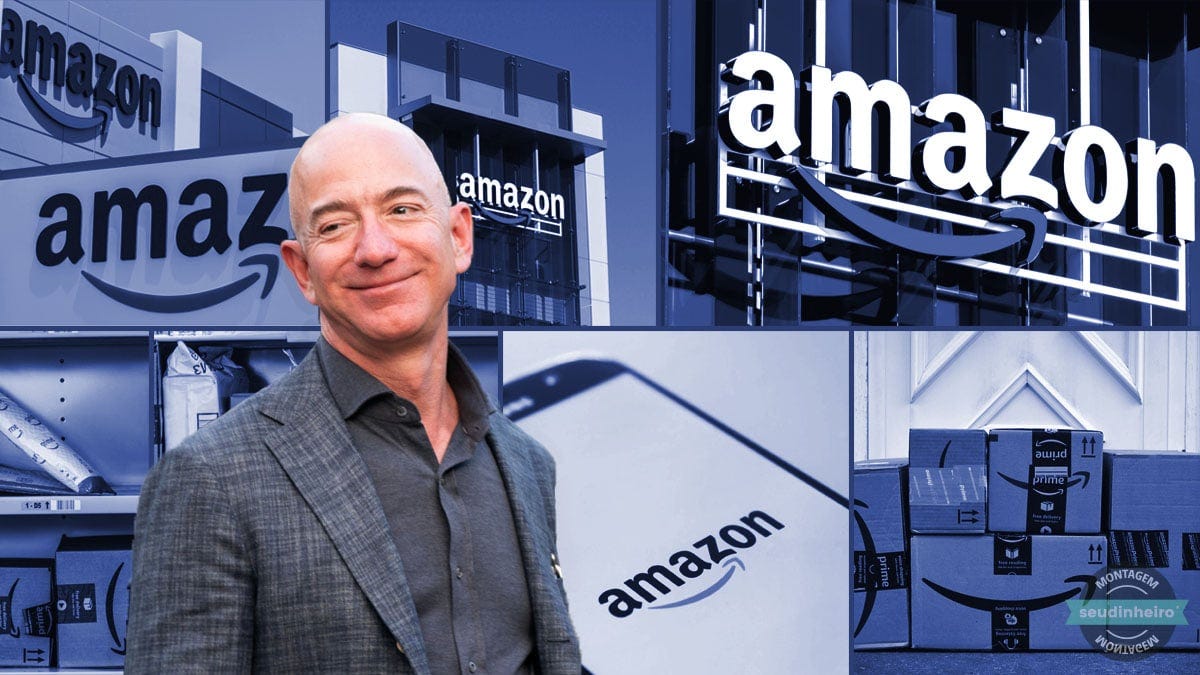
In the vast and ever-evolving world of global commerce, few companies have reshaped the retail landscape as profoundly as Amazon. What began as a modest online bookstore in a Seattle garage has transformed into a multinational behemoth, redefining how people shop, consume, and interact with technology. Amazon’s journey is a masterclass in ambition, innovation, and adaptability, marked by strategic expansions, technological breakthroughs, and an unrelenting focus on the customer. Drawing from insights covered by leading global media outlets like Forbes, Bloomberg, and others, this narrative explores Amazon’s history, global strategy, market presence, trade logistics, consumer behavior shifts, innovations, and competitive dynamics, offering a comprehensive portrait of a company that continues to set the pace for modern retail.
Amazon’s story began in 1994, when Jeff Bezos, a former hedge fund executive, recognized the untapped potential of the internet as a commercial platform. At the time, the internet was in its infancy, and the idea of selling physical goods online was far from mainstream. Bezos chose books as his starting point, leveraging their vast selection and standardized nature to build a digital marketplace. Launched in 1995 as Amazon.com, the company quickly gained traction by offering a wider range of titles than traditional bookstores, coupled with competitive pricing and the convenience of home delivery. By 1997, Amazon had gone public, raising $54 million and signaling its ambition to expand beyond books. As noted in a 2023 Forbes retrospective, this early focus on customer convenience—through features like customer reviews and personalized recommendations—laid the foundation for Amazon’s enduring ethos: obsess over the customer.
The late 1990s and early 2000s were a period of rapid expansion for Amazon, as it diversified its product offerings to include electronics, toys, apparel, and more. This pivot transformed Amazon from a niche bookseller into a general online retailer, a move that required significant investment in infrastructure and technology. By 2000, the company introduced its Marketplace, allowing third-party sellers to list products alongside Amazon’s own inventory. This innovation, as highlighted by a 2024 Bloomberg analysis, was a game-changer, enabling Amazon to scale its catalog exponentially without holding vast inventories. The Marketplace now accounts for over 60% of Amazon’s retail sales, according to a 2025 Statista report, underscoring its role in the company’s dominance. Strategic acquisitions, such as Zappos in 2009 and Whole Foods in 2017, further broadened Amazon’s reach into fashion and groceries, signaling its intent to conquer diverse retail sectors.
Amazon’s global strategy has been a cornerstone of its growth, driven by a relentless pursuit of new markets. By the mid-2000s, the company had established operations in countries like the United Kingdom, Germany, Japan, and Canada, tailoring its platform to local languages, currencies, and consumer preferences. A 2023 McKinsey report noted that Amazon’s ability to localize its offerings—while maintaining a consistent brand experience—has been critical to its international success. The company’s entry into India in 2013, for example, required navigating complex regulatory and logistical challenges, yet Amazon invested heavily in local infrastructure, including fulfillment centers and payment systems like Amazon Pay. By 2025, Amazon India had become one of the company’s fastest-growing markets, with over 100 million registered users, according to Business Insider. However, not all expansions were seamless. Amazon’s exit from China in 2019, after struggling against local giants like Alibaba, highlighted the challenges of competing in highly localized markets, as reported by Reuters.
Today, Amazon’s market presence is staggering, with a global footprint spanning over 20 countries and a valuation exceeding $2 trillion in 2024, making it one of the world’s most valuable companies, per Yahoo Finance. In the United States alone, Amazon captures nearly 40% of ecommerce sales, dwarfing competitors like Walmart and eBay, according to a 2025 eMarketer study. Its physical presence, while less extensive than traditional retailers, includes over 600 Whole Foods stores and a growing network of Amazon Go convenience stores, which leverage cashierless technology to redefine in-store shopping. Amazon’s Prime membership program, with over 200 million subscribers worldwide as of 2024, is a linchpin of its ecosystem, offering benefits like free shipping, streaming, and exclusive deals. A 2024 Forbes article emphasized that Prime has not only driven customer loyalty but also transformed consumer expectations for speed and convenience across the retail industry.
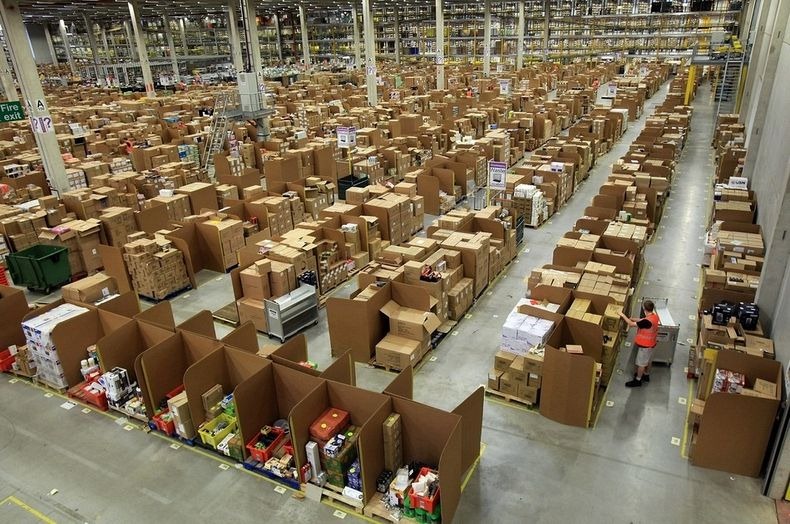
At the heart of Amazon’s success lies its unparalleled trade logistics network, often described as the backbone of its operations. The company operates over 185 fulfillment centers globally, supported by a sophisticated supply chain that integrates robotics, AI, and last-mile delivery innovations. A 2025 Bloomberg report detailed how Amazon’s investments in automation—such as robotic picking systems and predictive inventory algorithms—have reduced delivery times while lowering costs. The introduction of Amazon Logistics, a proprietary delivery network, has reduced reliance on third-party carriers like UPS, enabling same-day or next-day delivery in many markets. Additionally, Amazon’s acquisition of Zoox in 2020 and experiments with drone delivery via Prime Air signal its ambition to redefine logistics, as noted by TechCrunch in 2025. These efforts have positioned Amazon to meet the growing demand for instant gratification, with 74% of U.S. consumers expecting delivery within two days, per a 2024 Statista survey.
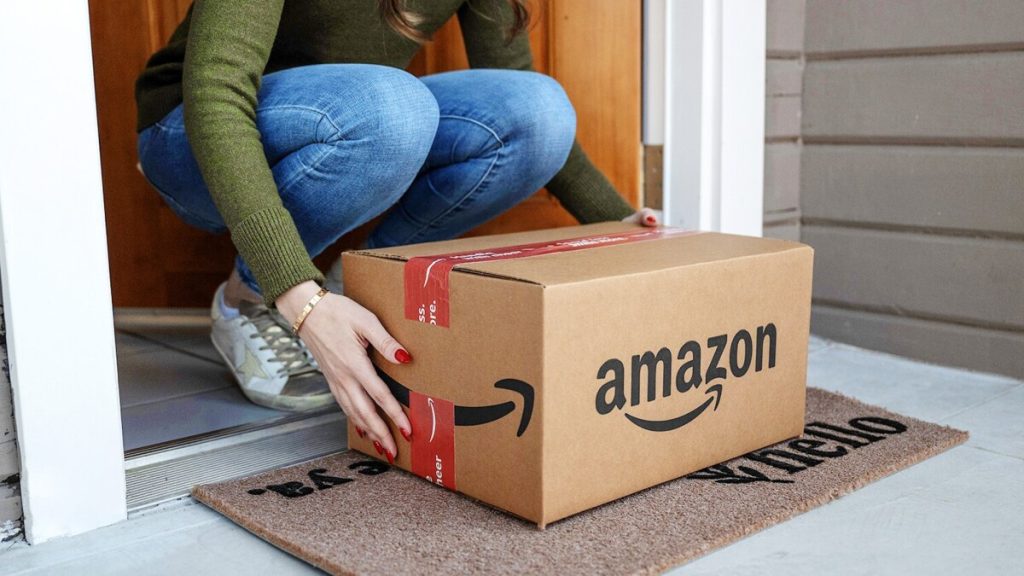
Consumer behavior has shifted dramatically in the digital age, and Amazon has been both a driver and beneficiary of these changes. The rise of mobile commerce, projected to account for $710 billion in U.S. sales by 2027 according to Forrester, has prompted Amazon to optimize its app and website for seamless mobile experiences. Features like one-click ordering and voice shopping via Alexa have simplified the purchase process, aligning with consumers’ desire for convenience. Amazon’s use of AI to analyze purchasing patterns and deliver personalized recommendations has further enhanced its appeal, with a 2025 BigCommerce report noting that 35% of Amazon’s sales come from its recommendation engine. The company has also adapted to the growing popularity of voice search, with Alexa-enabled devices driving significant traffic to its platform. Moreover, Amazon’s focus on sustainability—through initiatives like its Climate Pledge and plastic-free packaging—resonates with environmentally conscious consumers, as highlighted by a 2024 McKinsey study.
Innovation is woven into Amazon’s DNA, extending far beyond retail into technology and services. Amazon Web Services (AWS), launched in 2006, has become the world’s leading cloud computing platform, generating $90 billion in revenue in 2024, according to a Yahoo Finance analysis. AWS not only powers Amazon’s own operations but also serves millions of businesses, from startups to enterprises, cementing Amazon’s influence in the tech sector. In retail, innovations like Alexa, launched in 2014, have transformed how consumers interact with technology, with over 500 million Alexa-enabled devices sold by 2025, per Bloomberg. Amazon’s forays into healthcare, through acquisitions like One Medical and the launch of Amazon Pharmacy, reflect its ambition to disrupt adjacent industries, as noted in a 2023 Forbes feature. These efforts, combined with investments in AI and machine learning, position Amazon at the forefront of technological advancement.
The competitive landscape for Amazon is both vast and complex, with rivals spanning retail, technology, and logistics. In ecommerce, Walmart and Target have bolstered their digital offerings, with Walmart’s marketplace and same-day delivery gaining traction, according to a 2024 Retail Dive report. Globally, Alibaba and JD.com dominate in Asia, leveraging local expertise to challenge Amazon’s ambitions. In technology, Microsoft and Google compete with AWS in cloud computing, while Apple and Google vie for dominance in smart home ecosystems. Despite these challenges, Amazon’s scale and diversification give it a unique advantage. A 2025 Business Insider analysis noted that Amazon’s ability to integrate retail, technology, and logistics creates a “flywheel” effect, where each segment fuels the others, driving continuous growth. This interconnected ecosystem makes it difficult for competitors to replicate Amazon’s model.
Amazon’s marketing strategies have also evolved to maintain its edge. The company’s retail media network, Amazon Advertising, generated $50 billion in 2024, making it the third-largest ad platform behind Google and Meta, per eMarketer. By leveraging first-party data, Amazon offers brands highly targeted advertising opportunities, from sponsored product listings to display ads across its ecosystem. Its focus on SEO, including keyword-optimized product pages and localized content, ensures high visibility in search engine results. Amazon’s Prime Day, launched in 2015, has become a global retail event, driving billions in sales and attracting new Prime subscribers, as reported by Forbes in 2024. These efforts, combined with a robust social media presence, keep Amazon top-of-mind for consumers worldwide.
Looking to the future, Amazon faces both opportunities and challenges. Its financial strength, with $469 billion in revenue in 2024, provides ample resources for further expansion, per Yahoo Finance. Emerging markets like Southeast Asia and Africa offer significant growth potential, with ecommerce penetration still in its early stages, according to a 2025 McKinsey report. However, regulatory scrutiny poses a risk, with governments in the U.S. and Europe investigating Amazon’s marketplace practices and data usage, as noted by Reuters in 2024. Economic uncertainties, such as inflation and supply chain disruptions, could also impact consumer spending. Yet, Amazon’s track record of resilience—navigating the dot-com crash, the 2008 financial crisis, and the COVID-19 pandemic—suggests it is well-positioned to adapt.
Amazon’s ascent from an online bookstore to a global titan is a testament to its vision, execution, and relentless innovation. By prioritizing the customer, investing in technology, and building an unmatched logistics network, Amazon has not only transformed retail but also redefined what it means to be a modern corporation. Its story, as covered by outlets like Forbes and Bloomberg, reflects broader trends in ecommerce, globalization, and technological disruption. For retail analysts, trade enthusiasts, and consumers, Amazon offers a compelling case study in scaling ambition to meet the demands of a rapidly changing world. As the company continues to push boundaries, its influence on how we shop, work, and live is likely to endure for decades to come.
References:
- Statista, “Amazon’s Global Ecommerce Share 2025,” 2025.
- McKinsey, “The Future of Global Ecommerce: Trends and Opportunities,” 2023.
- Business Insider, “Amazon India’s Growth: A Case Study in Localization,” 2025.
- eMarketer, “U.S. Ecommerce Market Share 2025,” 2025.
- TechCrunch, “Amazon’s Drone Delivery Ambitions Take Flight,” 2025.
- Forrester, “Mobile Commerce Forecast 2027,” 2024.
- BigCommerce, “AI in Ecommerce: How Retailers Are Adapting,” 2025.
- Retail Dive, “Walmart’s Ecommerce Push: A Threat to Amazon?,” 2024.
- Business Insider, “Amazon’s Flywheel: The Power of an Integrated Ecosystem,” 2025.
- eMarketer, “Amazon Advertising: The Rise of Retail Media,” 2024.
Business Insider, “Amazon’s Flywheel: The Power of an Integrated Ecosystem,” 2025.