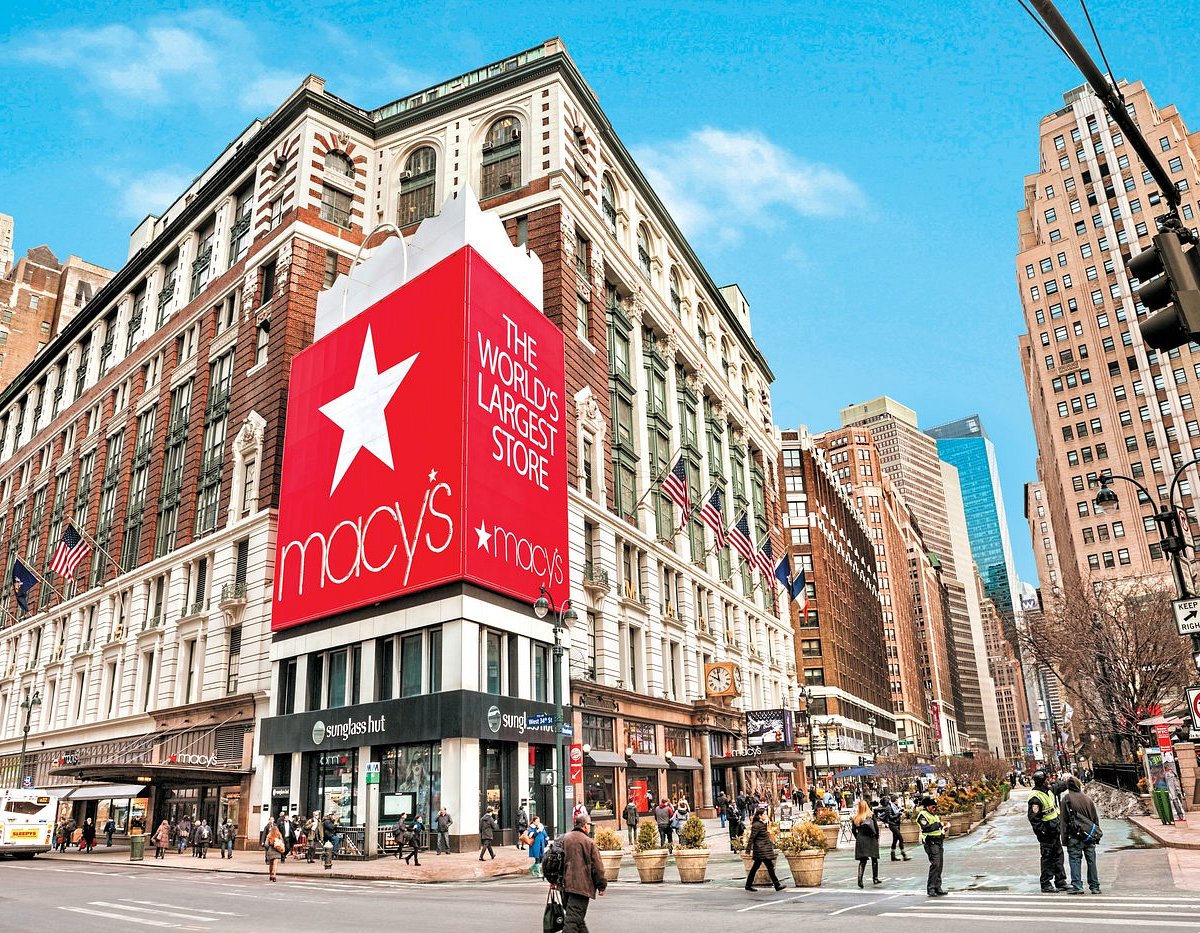
In the tapestry of American retail, few names evoke as much nostalgia and recognition as Macy’s. From its iconic flagship store in New York City’s Herald Square to its role as a cultural touchstone through the annual Thanksgiving Day Parade, Macy’s has been a cornerstone of the department store experience for over a century. Yet, its story is not merely one of tradition but of resilience, adapting to seismic shifts in consumer behavior, technological advancements, and global market dynamics. As covered by leading global media outlets like Forbes and Bloomberg, Macy’s journey offers a compelling lens into the evolution of retail, blending heritage with innovation. This narrative explores Macy’s history, global strategy, market presence, trade logistics, consumer behavior shifts, innovations, and competitive landscape, painting a portrait of a retailer striving to thrive in an era of unprecedented change.
Macy’s origins trace back to 1858, when Rowland Hussey Macy opened a small dry goods store on Sixth Avenue in New York City. With a modest inventory of ribbons, lace, and other essentials, Macy’s early vision was to offer quality goods at accessible prices, a philosophy that resonated with the growing urban middle class. The store’s distinctive red star logo, inspired by a tattoo from Macy’s seafaring days, became a symbol of its commitment to stand out. By 1877, Macy’s had relocated to its Herald Square location, a move that marked its ascent as a retail powerhouse. A 2023 Forbes feature highlighted how this flagship store, now spanning over 2 million square feet, became a destination for shoppers seeking everything from fashion to home goods. By the early 20th century, Macy’s had pioneered innovations like the one-price system, eliminating haggling and fostering trust, a practice that set it apart from competitors, as noted by Business Insider in 2024.
The 20th century was a period of expansion and cultural influence for Macy’s. The company began acquiring regional department stores, such as Atlanta’s Davison’s and Chicago’s Marshall Field’s, to build a national presence. By 1994, Macy’s merged with Federated Department Stores, a pivotal moment that solidified its position as one of America’s largest department store chains, according to a 2023 Bloomberg analysis. This era also saw Macy’s cement its cultural relevance through events like the Thanksgiving Day Parade, launched in 1924, which drew millions of viewers annually and reinforced the brand’s place in American tradition. The company’s commitment to experiential retail—through in-store events, fashion shows, and seasonal displays—helped it navigate economic challenges like the Great Depression and post-war shifts, maintaining its appeal across generations.
Macy’s global strategy has historically been more restrained than that of competitors like Amazon or Walmart, focusing primarily on the U.S. market with limited international ventures. In the 2010s, the company experimented with global expansion, launching an ecommerce platform accessible in over 100 countries and opening a store in Abu Dhabi in 2018 through a partnership with Al Tayer Group, as reported by Retail Dive in 2023. However, these efforts were modest compared to its domestic focus, reflecting a strategic choice to leverage its strong U.S. brand equity. A 2024 McKinsey report noted that Macy’s international ecommerce sales, while growing, remain a small fraction of its revenue, with the company prioritizing localization through translated websites and region-specific promotions. This cautious approach has allowed Macy’s to test global waters without overextending resources, a prudent move given the complexities of international logistics and cultural nuances.
Macy’s market presence today is a blend of physical and digital channels, though its brick-and-mortar stores remain its core strength. As of 2025, Macy’s operates approximately 500 stores across the United States, including its Bloomingdale’s and Bluemercury brands, with a significant presence in urban and suburban markets, per a Yahoo Finance report. The Herald Square flagship continues to be a global retail landmark, attracting millions of tourists annually. However, the rise of ecommerce has reshaped Macy’s strategy, with online sales accounting for nearly 30% of its $24 billion in revenue in 2024, according to Statista. The company has invested heavily in its digital platform, optimizing its website and mobile app to compete in a market where 22.6% of global retail sales are projected to be online by 2027, as noted by a 2025 eMarketer study. Macy’s Star Rewards loyalty program, with over 30 million members, drives customer retention by offering personalized discounts and exclusive perks, a strategy praised by Forbes in 2024 for fostering long-term engagement.
Trade logistics have been a critical focus for Macy’s as it adapts to the demands of omnichannel retail. The company operates a network of distribution centers strategically located to support both in-store and online fulfillment. A 2025 Retail TouchPoints article highlighted Macy’s efforts to transform its stores into mini-fulfillment hubs, enabling services like buy-online-pickup-in-store (BOPIS) and same-day delivery. This hybrid model has streamlined operations, with 40% of online orders fulfilled through stores in 2024, per Bloomberg. Macy’s has also partnered with third-party logistics providers to enhance last-mile delivery, addressing consumer expectations for speed, with 65% of U.S. shoppers expecting delivery within three days, according to a 2024 Statista survey. Investments in supply chain technology, such as inventory tracking systems and demand forecasting tools, have improved efficiency, ensuring products move seamlessly from global suppliers to customers.
Consumer behavior has evolved dramatically, and Macy’s has responded with agility to stay relevant. The rise of mobile commerce, projected to reach $856 billion in the U.S. by 2026 per Forbes, has driven Macy’s to enhance its mobile app with features like virtual try-on tools and personalized product recommendations. The growing influence of social media platforms like Instagram and TikTok has prompted the company to invest in influencer partnerships and shoppable content, aligning with younger consumers’ preferences, as noted in a 2025 BigCommerce report. Macy’s has also embraced data analytics to tailor its marketing, using customer purchase history to deliver targeted promotions. Its focus on experiential retail—through in-store beauty consultations and holiday events—continues to differentiate it from pure-play ecommerce rivals, fostering a sense of discovery that resonates with shoppers, according to a 2023 Business Insider feature.
Innovation has been a key pillar of Macy’s strategy as it navigates a competitive retail landscape. The company has experimented with technology to enhance the shopping experience, from augmented reality (AR) mirrors in fitting rooms to AI-driven chatbots on its website, as highlighted by a 2025 SWOT analysis from Business Strategy Hub. Macy’s Marketplace, launched in 2022, expanded its online assortment by allowing third-party sellers to offer products, growing its catalog to over 1 million items by 2024, per Retail Dive. The company has also leaned into sustainability, introducing eco-friendly private labels and reducing packaging waste, aligning with 54% of consumers who prioritize sustainable brands, according to a 2024 McKinsey study. Strategic partnerships with brands like Toys “R” Us, integrated into Macy’s stores and website, have broadened its appeal to families, a move praised by Forbes in 2023 for revitalizing its toy category.
The competitive landscape for Macy’s is formidable, with rivals ranging from department stores like Nordstrom and Kohl’s to ecommerce giants like Amazon and Walmart. Amazon’s dominance in online retail, capturing 40% of U.S. ecommerce sales in 2025 per eMarketer, poses a significant challenge, particularly in price and convenience. Walmart’s growing digital presence, bolstered by its marketplace and subscription service, further intensifies competition, as noted in a 2024 Retail Dive report. Specialty retailers like Sephora and fast-fashion brands like Zara also vie for Macy’s fashion and beauty customers. Despite these pressures, Macy’s holds a 5% share of the U.S. department store market, per a 2025 Yahoo Finance analysis, leveraging its brand heritage and private labels like INC and Charter Club to differentiate itself. Its focus on high-touch customer service, through in-store stylists and beauty advisors, sets it apart in an industry increasingly driven by price.
Macy’s marketing strategies have evolved to keep pace with digital trends. The company’s retail media network, launched in 2023, allows brands to advertise across its website, app, and stores, generating incremental revenue, as reported by Forbes in 2024. By leveraging first-party data, Macy’s delivers targeted ads that resonate with its audience, a strategy aligned with the projected $100 billion growth in retail media by 2027, per eMarketer. The company’s SEO efforts, including keyword-optimized product descriptions and local store pages, ensure high visibility in search results, driving organic traffic. Signature events like the Thanksgiving Day Parade and Fourth of July Fireworks continue to amplify brand awareness, reaching over 25 million viewers annually, according to a 2024 Bloomberg report. These initiatives, combined with social media campaigns targeting Gen Z, keep Macy’s relevant across diverse demographics.
Looking ahead, Macy’s faces both opportunities and challenges. Its financial performance, with $24 billion in revenue in 2024, provides a foundation for growth, though declining same-store sales and high debt levels, noted by Yahoo Finance in 2025, require careful management. Opportunities lie in expanding its ecommerce marketplace and small-format stores, which cater to suburban shoppers, as outlined in a 2023 Retail TouchPoints article. Emerging markets, particularly in Asia and the Middle East, offer potential for international ecommerce growth. However, economic uncertainties, including inflation and shifting consumer spending, could impact discretionary purchases, per a 2024 Forbes analysis. Regulatory pressures around data privacy and sustainability also loom, requiring ongoing adaptation. Yet, Macy’s history of resilience—surviving recessions, retail consolidations, and the ecommerce boom—suggests it can navigate these headwinds.
Macy’s enduring legacy is a testament to its ability to balance tradition with transformation. By blending its storied heritage with modern innovations, the company continues to carve a unique space in a crowded retail landscape. Its story, as covered by outlets like Forbes and Bloomberg, reflects broader trends in retail: the rise of omnichannel strategies, the power of experiential shopping, and the need for agility in a digital world. For retail analysts, trade enthusiasts, and consumers, Macy’s offers a rich case study in how a brand can evolve while staying true to its roots. As it charts the future, Macy’s commitment to delighting customers—whether through a dazzling parade or a seamless online purchase—ensures its place as a retail icon.
References:
- Forbes, “Macy’s Reinvention: Blending Heritage with Digital Innovation,” 2023.
- Bloomberg, “Macy’s Turnaround Strategy: A Focus on Omnichannel Retail,” 2024.
- Statista, “Macy’s Revenue and Ecommerce Share 2024,” 2025.
- McKinsey, “Sustainability in Retail: Meeting Consumer Expectations,” 2024.
- Retail Dive, “Macy’s Marketplace: Expanding the Digital Footprint,” 2023.
- Yahoo Finance, “Macy’s SWOT Analysis and Financial Overview,” 2025.
- eMarketer, “Global Ecommerce Forecast 2027,” 2025.
- Retail TouchPoints, “Macy’s Small-Format Stores: A New Retail Model,” 2023.
- BigCommerce, “Social Commerce Trends for Retailers in 2025,” 2025.