For years, the Apple Watch has held a near-monopoly on the premium smartwatch experience for iPhone users. It exists to solve a very specific problem: reducing your screen time on a massive smartphone while providing seamless notifications, highly accurate fitness tracking, and a literal safety net on your wrist. However, with every year comes a new iteration, and buyers are forced to ask a critical question: Is the Apple Watch Series 11 a genuine leap forward in wearable tech, or is it a predictable, minor update designed to extract money from people who just need a new battery?
At WorStor.com, we strip away the marketing hype to find what is truly exceptional and what is fundamentally flawed. Here is our investigative breakdown of the Apple Watch Series 11 Aluminum.
Product Overview
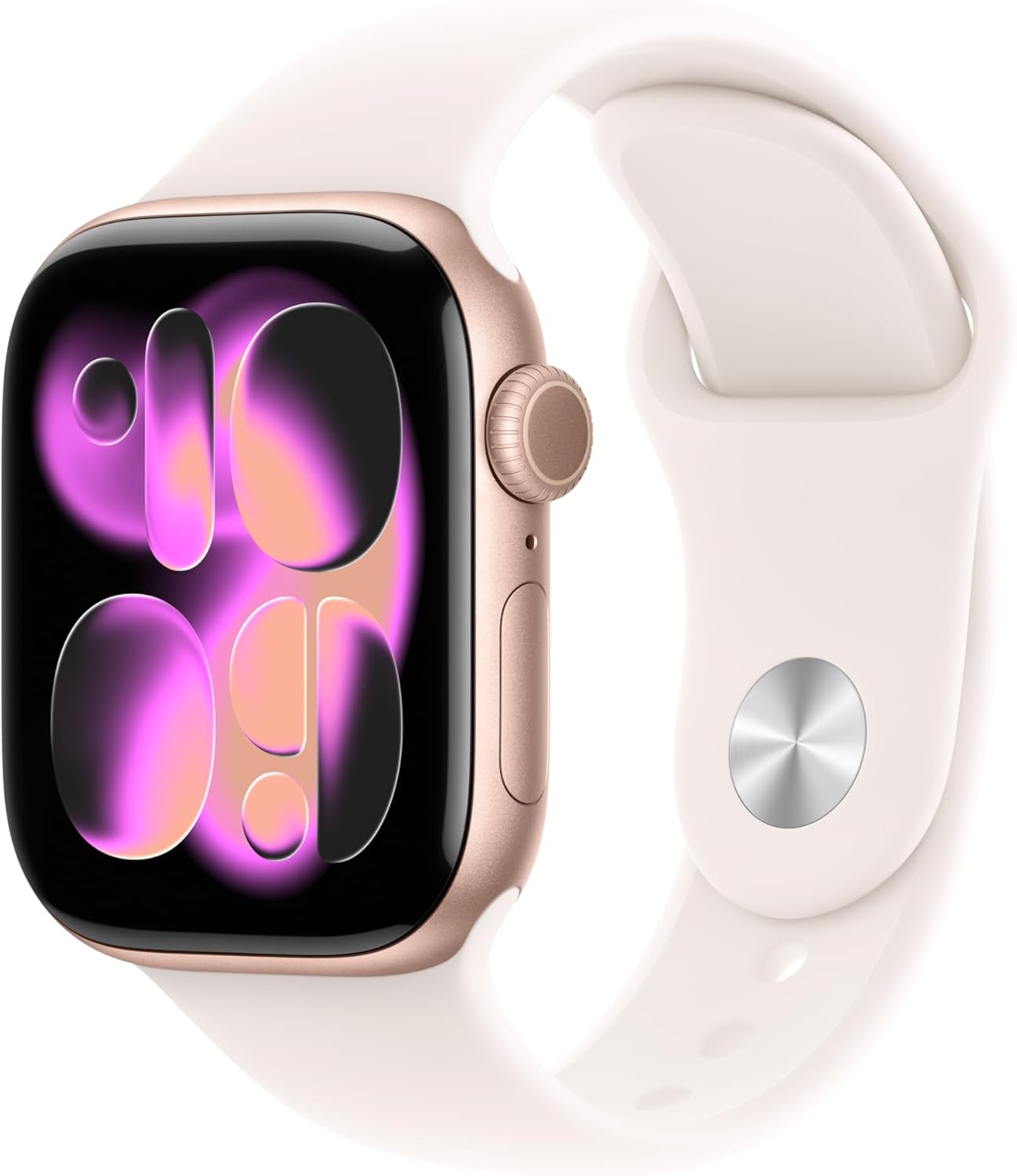
The Apple Watch Series 11 represents the current flagship standard for Apple’s mainstream wearable lineup. Available in 42mm and 46mm case sizes, the aluminum variant remains the most popular choice due to its balance of lightweight comfort and entry-level flagship pricing.
Key Technical Specifications
- Processor: S10 System in Package (SiP)
- Display: Always-on LTPO3 Retina wide-angle OLED display (up to 2,000 nits peak brightness)
- Battery Life: Up to 24 hours normal usage (tested up to 43 hours in optimized scenarios)
- Health Suite: Heart rate, ECG, Blood Oxygen (subject to regional restrictions), Skin Temperature, and FDA-cleared Hypertension Notifications
- Connectivity: GPS, Bluetooth 5.3, ultra-wideband chip, and standard upgraded 5G support on cellular configurations
- Software: watchOS 26
Part 1: The Weaknesses (The Worst)
While the tech press often showers Apple with praise, the Series 11 carries several persistent flaws that buyers need to look at honestly before purchasing.
- The Battery Life Mirage: Apple proudly advertises that the Series 11 jumps to a 24-hour battery baseline (up from the historical 18 hours). In real-world testing with light notification tracking, you can squeeze nearly two days out of it. But let’s be real: compared to the competition, this is still a massive chore. Dedicated fitness trackers from Garmin measure battery life in weeks, and Samsung’s Galaxy Watch 8 consistently pushes past 30 hours without breaking a sweat. If you forget your proprietary charger on a weekend trip, your watch becomes a dead wrist-weight by Sunday morning.
- The Ion-X Scratch Liability: The aluminum model features Apple’s Ion-X front glass. While Apple claims the Series 11 display glass is twice as scratch-resistant as the Series 10, it is still fundamentally a hardened glass—not the sapphire crystal found on the much more expensive Titanium or Ultra 3 models. If you accidentally scrape your wrist against a brick wall or drop it onto a tiled bathroom floor during a band swap, it will scratch or chip.
- Ecosystem Lock-In Extortion: This device remains absolutely useless if you don’t own an iPhone. Apple refuses to build Android compatibility. If you choose to switch your smartphone platform down the line, this expensive piece of wrist hardware immediately becomes electronic waste.
- Incremental Upgrade Stagnation: If you are coming from a Series 10 or even a Series 9, the day-to-day physical experience is almost identical. The case chassis is the same thickness, the screen borders are unchanged, and the speed bump provided by the S10 chip is imperceptible during standard UI scrolling.
Part 2: The Strengths (The Good)
Despite its structural limits, the hardware refinements in the Series 11 make it an incredibly polished device if you understand what it does best.
- Wide-Angle OLED Screen Dominance: The LTPO3 wide-angle display is an absolute masterclass in screen design. Pumping out up to 2,000 nits of brightness, it is completely readable under direct, blinding midday sunlight. The wide-angle viewing optimization means you don’t have to awkwardly twist your wrist all the way around to check a notification while typing or driving; you can read the text clearly from sharp angles.
- FDA-Cleared Hypertension Notifications: This is the marquee health addition for this generation. By utilizing advanced algorithms to monitor blood pressure trends via peripheral vascular changes, the watch can flag sustained elevated metrics. It doesn’t replace a medical arm cuff, but as an early warning system for cardiovascular health, it can genuinely save lives.
- Blazing Fast Charging: To mitigate the mediocre overall battery life, Apple significantly upgraded the charging speed. In our testing, throwing the watch onto its puck for just 15 minutes gives you roughly 8 hours of standard use. This makes tracking your sleep patterns much easier, as you can charge it quickly while showering in the morning.
- Superb watchOS 26 Integration: The software remains miles ahead of Google’s WearOS in terms of pure fluid smoothness. Features like the wrist-flick gesture (allowing you to dismiss timers and phone calls with a sharp turn of your forearm) work perfectly when your hands are full of groceries or gym equipment.
Part 3: Long-Term Ownership Experience
Owning an Apple Watch is a commitment to a broader digital ecosystem. Over a 2- to 3-year lifecycle, the aluminum casing holds up surprisingly well against sweat, chlorine, and saltwater corrosion, thanks to its swim-proof IP6X design.
Software support is where Apple genuinely earns its premium status. You can confidently expect this watch to receive major watchOS updates for at least 5 years, meaning the software won’t lag behind your phone’s capabilities. However, you must budget for the inevitable battery degradation: after 24 months of daily overnight charging cycles, expect the maximum chemical capacity to drop to around 80%, which will drag that real-world battery performance back down to a strict 24-hour limit.
Part 4: Performance Matrix
| Evaluation Category | Verdict | Practical Reality |
| Build Quality | Good | Lightweight aluminum feels excellent, but Ion-X glass remains prone to micro-abrasions compared to sapphire crystal. |
| Ease of Use | Exceptional | The pairing process takes 60 seconds; watchOS gestures are highly intuitive. |
| Performance | Exceptional | S10 SiP handles complex apps, workout tracking, and animations with zero stutter. |
| Features | Excellent | Hypertension alerts and 5G upgrades add major utility, though regional health-sensor lawsuits cause minor friction. |
| Value for Money | Good | At $399 base, it is competitively priced for a flagship wearable, though it offers poor trade-in retention. |
| Reliability | Exceptional | Notification delivery, heart-rate tracking, and haptic alerts work flawlessly without dropped connections. |
| User Experience | Excellent | Deeply integrated into iOS, making it the smoothest smartwatch experience available for iPhone users. |
Part 5: Competitive Comparison
When considering a flagship wearable, looking at the broader market reveals where Apple shines and where it falls short.
Apple Watch Series 11 vs. Samsung Galaxy Watch 8
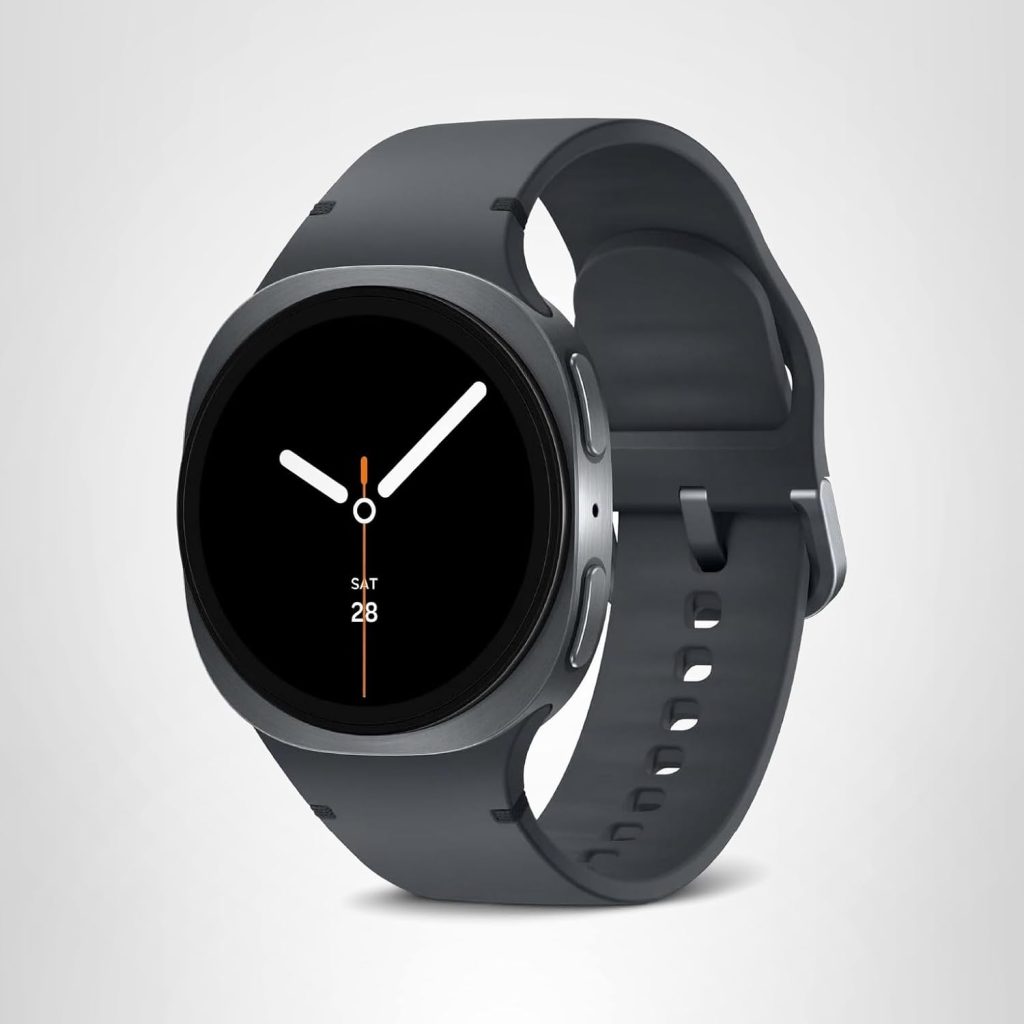
Samsung’s flagship is built for Android (specifically optimized for Samsung phones). The Galaxy Watch 8 offers a longer native battery baseline (~30-36 hours) and a traditional round watch aesthetic that many watch enthusiasts prefer over Apple’s squircle block shape. However, Apple’s wide-angle OLED display gets noticeably brighter, and the watchOS application ecosystem features significantly better third-party app support than Samsung’s WearOS implementation.
Apple Watch Series 11 vs. Google Pixel Watch 4
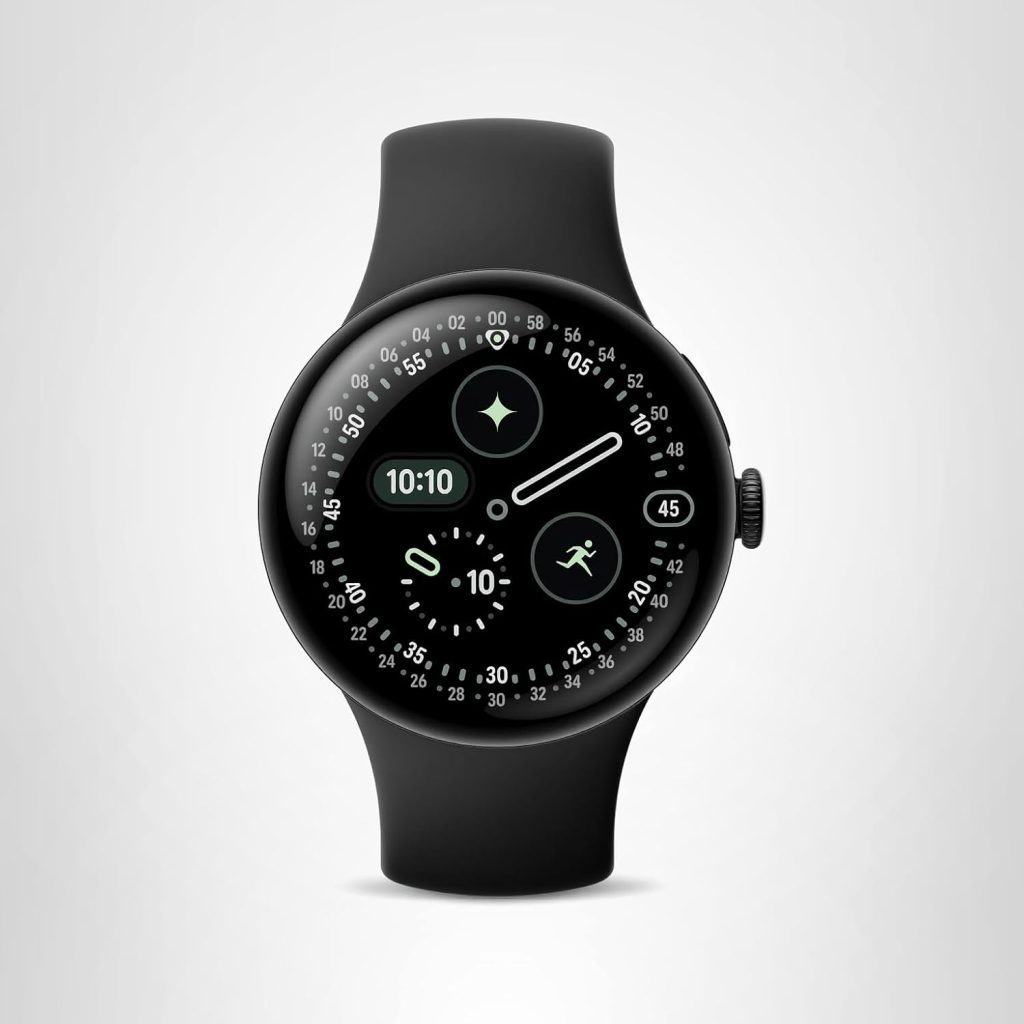
The Pixel Watch 4 features a striking, minimalist dome-glass look and leverages Fitbit’s deep health analytics ecosystem. While Google has improved performance dramatically, the Pixel Watch 4 suffers from a smaller display footprint with massive bezels. The Series 11 completely outclasses it in terms of speaker clarity, call quality, and structural text input via an on-screen QWERTY keyboard.
Part 6: Buying Verdict
Do NOT Buy This If:
- You own an Android smartphone (it will not pair).
- You already own an Apple Watch Series 10 or Series 9 (the performance upgrades do not justify spending another $400).
- You are an ultra-marathoner or multi-day hiker who requires native GPS tracking that can survive 72 hours in the wilderness without a wall outlet (buy a Garmin or an Apple Watch Ultra instead).
This Is a Great Buy If:
- You are using an older Apple Watch Series 7 or SE (1st Gen) and your battery no longer holds a charge.
- You are deeply integrated into the iPhone ecosystem and want a reliable health monitor with validated heart and blood pressure tracking.
- You need a highly accurate workout tracker that seamlessly integrates with Apple Health and popular third-party apps like Strava.
Final Verdict
- Overall Score: 8.5 / 10
- Best Use Case: Daily health monitoring, notification triage, and casual fitness tracking for dedicated iPhone users.
- Biggest Strength: The stunningly bright, wide-angle LTPO3 OLED display and life-saving hypertension alert system.
- Biggest Weakness: Daily charging anxiety and a complete lack of cross-platform compatibility.
Product Details
To view configurations, colorways (such as Jet Black or Silver Aluminum), and regional pricing options, you can check the product directly via the official retail index:
View Apple Watch Series 11 Aluminum on Amazon
Frequently Asked Questions (FAQ)
Does the Apple Watch Series 11 work with Android?
No. The Apple Watch Series 11 requires an iPhone (specifically an iPhone XS or later running the latest version of iOS). There is no workaround or official app to make it compatible with Android devices.
What is the actual battery life difference between the 42mm and 46mm sizes?
The 46mm model features a physically larger battery cell due to its case dimensions. While Apple rates both models for 24 hours of standard usage, real-world testing shows the 46mm model can push roughly 4 to 6 hours longer than the 42mm variant under identical usage patterns.
Is the Aluminum model completely waterproof?
The Series 11 is rated IP6X dust-resistant and has a water resistance rating of 50 meters under WR50 standards. This means it is perfectly safe for shallow-water activities like swimming in a pool or the ocean. It should not be used for scuba diving, waterskiing, or high-velocity water impacts.
How do the hypertension notifications work?
The watch uses its optical heart sensors and watchOS 26 software architecture to analyze peripheral arterial pulse waves. Over time, it identifies baseline patterns and can flag persistent deviations that correlate with high blood pressure, generating an automated alert suggesting you consult a medical professional.
Can I text and make phone calls directly from the GPS-only model?
Yes, but only if your iPhone is nearby and connected via Bluetooth or shared Wi-Fi. If you want to make calls, send texts, and stream music while leaving your phone entirely at home (e.g., during a run), you must buy the more expensive GPS + Cellular model and activate a carrier smart-watch plan.
Does the Ion-X glass scratch easily compared to the Titanium models?
Yes. The Ion-X glass used on the Aluminum models is flexible and excellent at absorbing blunt impacts without shattering, but it has a lower surface hardness than the Sapphire Crystal used on the Titanium and Ultra models. If you are prone to knocking your wrist against hard surfaces, consider a screen protector or the more durable material finishes.