For years, portable spot cleaners have occupied a messy, awkward corner of the appliance market. While full-sized upright carpet extractors are too bulky for spot spills, stairs, and automotive detailing, even the traditional “portable” options can feel cumbersome. The original viral BISSELL Little Green machine, while highly effective, still demands a non-trivial amount of storage space and weighs close to ten pounds before you add a single drop of water.
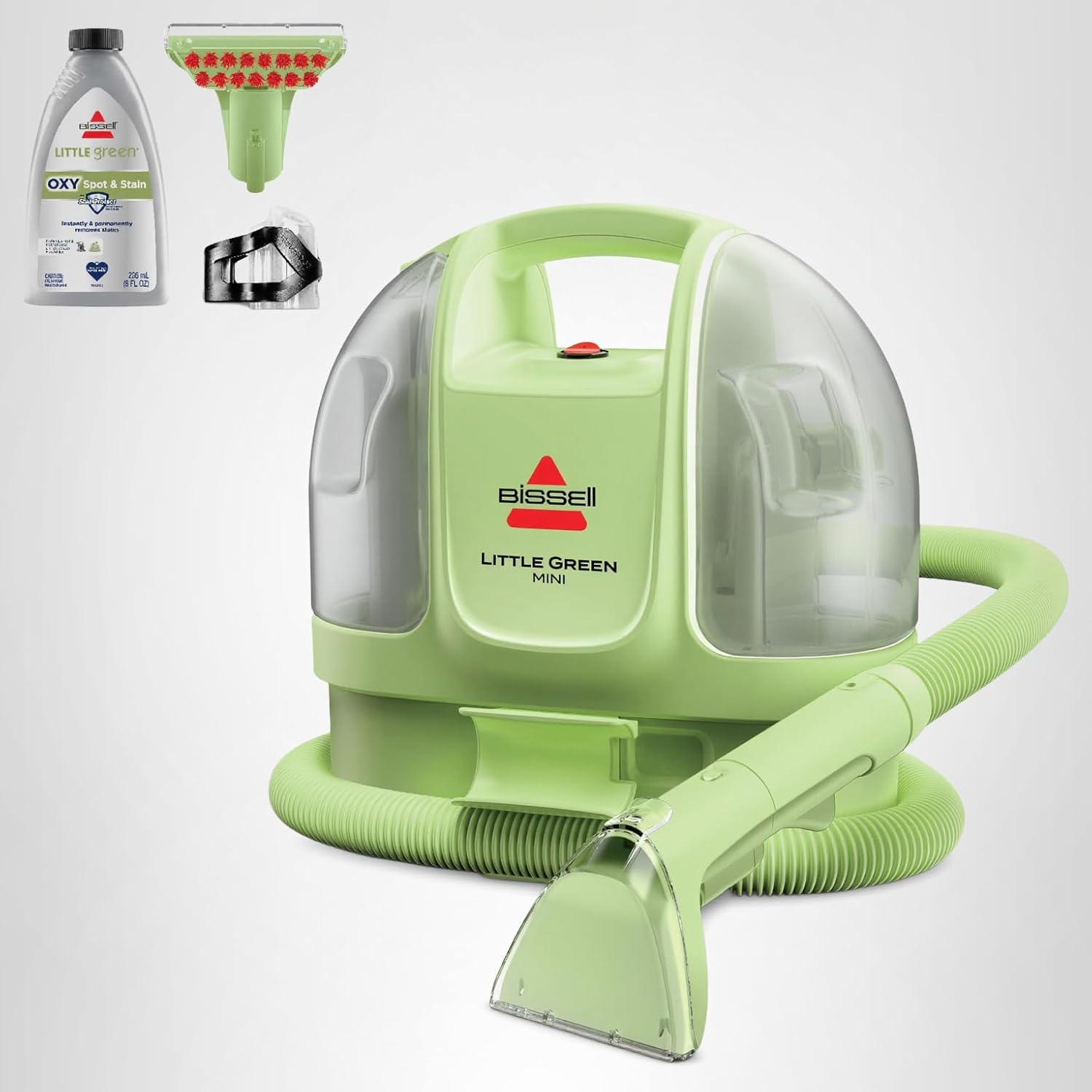
Enter the BISSELL Little Green Mini Portable Carpet & Upholstery Cleaner (Model 4075). This highly compact hardware iteration represents a deliberate downsizing strategy by the manufacturer. By shaving off several pounds and trimming down the physical envelope, BISSELL is targeting apartment dwellers, vehicle detailing enthusiasts, and pet owners who prioritize fast deployment and tight closet storage over deep-cleaning capacity.
However, when a manufacturer shrinks an extractor, it alters the core physics of fluid mechanics. Smaller motors can compromise vacuum lift, and reduced footprints force massive cutbacks in fluid capacity. The ultimate investigative question for a smart consumer is simple: Is the Little Green Mini an engineered masterpiece of hyper-portable convenience, or is it a heavily compromised, under-powered alternative that trades away necessary cleaning performance?
At WorStor.com, we bypass basic marketing claims and unboxing hype. We dissect the internal architecture, design compromises, and real-world utility of consumer hardware to determine whether your capital is being deployed effectively.
Product Overview and Technical Specifications
The BISSELL Little Green Mini (4075) is a corded, portable wet extraction vacuum designed explicitly for soft-surface spot intervention. Its chassis is constructed from molded high-impact polymers and features a center-mounted carrying handle designed for balanced single-handed transport.
Core Technical Specifications:
- Physical Weight: 7.0 pounds dry weight. This establishes it as the lightest corded extractor within BISSELL’s modern portable inventory.
- Dimensions: 10 inches Deep x 13.5 inches Wide x 12.13 inches Height.
- Fluid Capacity: Clean Water Tank: 16 ounces. Dirty Water Collection Tank: 13.5 ounces.
- Hose System: 4-foot integrated flexible corrugated hose with a standard locking attachment collar.
- Electrical Footprint: Corded electric layout with a 12-foot power cord and manual cord wrap channels on the rear casing.
- Included Accessory Matrix: 4-inch Tough Stain Tool featuring a completely removable translucent suction lens, a HydroRinse Self-Cleaning Hose Tool, and an 8-ounce trial bottle of specialized cleaning solution.
The unit works via a continuous loop: an electric pump sprays water and solution deep into fabric fibers, a manual brush head breaks up loose dirt, and a compact motor generates suction to lift the dirty effluent into an isolated recovery tank.
Part 1: The Weaknesses (The Worst)
Shrinking an appliance down to a seven-pound footprint requires significant engineering trade-offs. Our technical teardown reveals several critical design bottlenecks that will frustrate users dealing with medium-to-large cleaning tasks.
1. Chronic Fluid Capacity Restrictions
The most immediate operational bottleneck is the size of the fluid reservoirs. With a clean tank capacity of just 16 ounces and a dirty tank cutoff limit of 13.5 ounces, this machine is strictly limited to micro-interventions.
If you are dealing with a larger pet accident or attempting to detail a single passenger bucket seat in a vehicle, you will find yourself trapped in a constant cycle of filling and emptying. A typical automotive seat cushion can easily drink up 10 to 12 ounces of solution during a deep flush, meaning you will exhaust the clean water reservoir before completing a single chair.
2. Significant Range Constraints (The Cord and Hose Problem)
To minimize weight and footprint, BISSELL equipped this unit with a 12-foot power cord and a 4-foot flexible hose. While a 16-foot combined reach sounds adequate on paper, it proves highly restrictive in practice:
- The Staircase Failure: When cleaning a standard residential staircase, a 12-foot power cord forces you to hunt for mid-point electrical outlets or rely on extension cords.
- The Automotive Detail Barrier: If you are working in a driveway or parking garage, you cannot position the machine at the rear of a larger vehicle or SUV and comfortably reach the front floor mats without constantly hoisting the entire 7-pound unit into the vehicle cabin with you.
3. Total Absence of Internal Thermal Maintenance
The Little Green Mini does not possess an internal heating element or a “ProHeat” radiant thermal block. The device relies entirely on the initial temperature of the tap water you introduce into the clean tank.
Because the plastic walls of the clean tank are thin and lack any thermal insulation, hot water cools to room temperature within roughly 10 to 15 minutes. Because thermal energy is critical for emulsifying stubborn grease and oils in carpet fibers, users must work quickly before the cleaning solution loses its heat-activated potency.
4. Downsized Suction Mechanics
To keep the machine at a strict 7-pound weight limit, BISSELL utilized a more compact, lower-amperage motor than those found in their heavy-duty “Pro” series spot cleaners. While the static vacuum seal is entirely sufficient for surface-level spills (like a freshly knocked-over coffee mug), it lacks the raw water-lift capabilities required to draw deep-set moisture out of dense foam cushions. If you over-saturate a thick mattress or sofa cushion, the low-powered suction motor will leave the fabric damp for an extended period, creating an environment ripe for mildew growth if not actively dried with external fans.
Part 2: The Strengths (The Good)
Despite its clear physical constraints, the Little Green Mini hits its marks perfectly when evaluated as an emergency, fast-response cleaning asset.
1. Exceptional Physical Mobility and Lightweight Balance
At exactly 7.0 pounds when dry, this machine is an absolute breeze to transport. For users with physical mobility limitations, chronic back pain, or multi-level homes, hauling a traditional 12-to-15-pound filled extractor up flights of stairs can be exhausting. The Mini balances its weight beautifully beneath the center handle, ensuring it doesn’t slap against your legs or twist your wrist during transport.
2. The HydroRinse Hose Flush Mechanism
Historically, the single biggest failure point for portable spot cleaners wasn’t stain extraction—it was the post-use cleanup. Pet hair, thick mud, and organic debris routinely settle inside the corrugated valleys of the flexible hose. Over time, this trapped matter rots, creating foul odors and breeding black mold inside the hose assembly.
The inclusion of the specialized HydroRinse tool completely solves this engineering oversight. By snapping the specialized cap onto the end of the hose, turning on the machine, and pressing the spray trigger, the unit channels clean water through the entire length of the hose line, forcefully purging all internal debris directly into the waste tank in under thirty seconds.
3. Removable Suction Lens Architecture
Older generations of spot cleaners utilized permanently sealed plastic transparent covers over their brush tools. Once pet hair or lint bypassed the brush and wedged itself into the narrow intake throat, it was impossible to dislodge without using bent paperclips or wire coat hangers.
The 4-inch Tough Stain Tool on the 4075 model features a completely removable translucent clear lens cover. Two secure snap tabs allow the user to pop the lens clean off, exposing the full intake pathway for direct mechanical cleaning and thorough rinsing.
Part 3: Long-Term Ownership Experience
Owning an extractor requires a clear understanding of its material limits and maintenance demands over a multi-year timeline.
Plastic Fatigue along the Latch Vectors
The clean and dirty water tanks lock onto the main motor housing using simple friction seats and tension latches. Because these tanks must be removed frequently due to their small volume, these plastic contact points experience continuous wear. Over a multi-year lifespan, rough handling can cause micro-fissures or rounding of the plastic retention clips, which can degrade the integrity of the vacuum seal over time if the tanks do not sit perfectly flush against the primary gaskets.
Chemical Solution Sensitivity
The internal pump components and fluid lines are calibrated for specific chemical viscosity and surfactant balances. Introducing harsh third-party chemicals—such as commercial laundry detergents, caustic oxygen bleaches, or concentrated essential oils—will quickly degrade the internal rubber O-rings and pump seals. To ensure long-term reliability and prevent fluid leaks from the base of the machine, users should stick to approved, low-foaming formulas explicitly rated for portable deep-cleaning machines.
Part 4: Performance Matrix
To simplify how the BISSELL Little Green Mini holds up across daily scenarios, we have mapped its real-world performance metrics across seven core operational vectors:
| Category | Verdict | Practical Reality |
| Build Quality | Mediocre | Lightweight polymers dominate the design. It survives standard drops, but the glossy clear plastic tank walls scratch easily and can cloud up over time if not dried. |
| Ease of Use | Elite | Simple two-tank system with highly intuitive markings. Lightweight frame makes it incredibly agile and easy to deploy on short notice. |
| Performance | Good | Excellent for loose surface spills and fresh stains. Struggles with deeply embedded, dried-on grime due to compact motor constraints. |
| Features | Good | The inclusion of the HydroRinse tool and the removable tool lens are massive victories for user maintenance. |
| Value for Money | Good | At its standard retail position of around $99, it offers a highly accessible entry point for basic, reliable spot cleaning. |
| Reliability | Good | Simple mechanical pump and motor integration with fewer electrical failure points than complex digital smart displays. |
| User Experience | Mediocre | The constant need to empty the tiny 13.5 oz dirty tank during a medium mess creates real user friction and breaks cleaning momentum. |
Part 5: Competitive Comparison
To help you find the right tool for your specific home, we have compared the Little Green Mini against its two primary market alternatives:
1. BISSELL Little Green Mini (4075) vs. Original BISSELL Little Green (1400B / 3369)
The original Little Green machine remains the gold standard for budget spot cleaning, but its physical profile is significantly bulkier.
- The Volumetric Split: The original machine features a massive 48-ounce fluid capacity—nearly triple the volume of the Mini. This allows you to clean an entire rug or multiple car seats without a single trip to the sink.
- The Weight Penalty: The original machine is heavier, wider, and noticeably harder to store in shallow apartment cabinets.
- The Verdict: If you live in a large home with multiple carpeted rooms and large pets, buy the original 1400B model. If you live in a compact apartment or are buying this primarily for quick car detailing, the Mini’s storage profile is vastly superior.
2. BISSELL Little Green Mini (4075) vs. Hoover CleanSlate Pet (FH14000)
Hoover’s flagship compact spot cleaner sits at a slightly higher price bracket but offers an expanded accessory array.
- Suction and Reach: The Hoover CleanSlate features a longer power cord (15 feet vs the Mini’s 12 feet) and slightly wider attachment options.
- Footprint and Bulk: The Hoover unit is visibly bulkier and heavier than the 7-pound Mini, making it less nimble on tight staircases.
- The Verdict: Choose the Hoover CleanSlate if you routinely tackle wide-area sofa stains and need a wider path per stroke; choose the Mini if raw portability and featherweight handling are your top priorities.
Part 6: Buying Verdict
❌ Do NOT Spend Your Capital Here If:
- You intend to clean full area rugs or wall-to-wall carpeting: The 16-ounce clean water tank will turn a simple room project into an agonizing, multi-hour ordeal of constant sink runs.
- You need to extract ancient, deeply set ink or oil stains: The lower-amperage motor does not deliver the extreme static suction lift required to pull up deeply set stains from thick underlying padding.
- You are detailing large three-row SUVs or vans: The 12-foot power cord and short hose will leave you stranded midway through the vehicle cabin, forcing you to constantly re-route extension cords.
✅ This Machine Is a Genuinely Great Buy If:
- Your storage space is severely limited: It fits beautifully into tiny apartment closets, shallow under-sink cabinets, or small utility shelves where full-sized extractors cannot squeeze.
- You are managing small pet accidents: For unexpected puppy messes, muddy paw prints by the entryway, or fresh cat vomit, it deploys and cleans up faster than almost any extractor on the market.
- You prioritize low-strain physical handling: The ultra-light 7-pound dry weight ensures that elderly users or individuals with back pain can lift and carry the unit without physical strain.
- You hate appliance maintenance mold: The HydroRinse self-cleaning tool makes flushing the hose completely painless, ensuring the machine never develops that classic damp, rotting smell in storage.
Final Verdict
- Overall Analytical Score: 7.4 / 10
- Best Use Case: Quick-response spot cleaning in space-constrained apartments and light automotive touch-ups.
- Biggest Strength: Incredible 7-pound physical mobility paired with a flawless hose-flushing and lens-cleaning system.
- Biggest Weakness: Frustratingly small tank capacities and range limitations that restrict its utility to minor stains.
The BISSELL Little Green Mini (4075) does exactly what it was engineered to do: it minifies spot extraction without sacrificing core surface suction. It completely solves the worst maintenance headache of older spot cleaners via its brilliant HydroRinse design and removable tool lens. However, if you purchase this machine assuming it can handle deep, structural extraction across wide surfaces, you will be disappointed by the tiny water tanks and short cord reach. Know its boundaries, use it for quick spot interventions, and it will serve as an exceptionally reliable, space-saving addition to your cleaning arsenal.
Product Gateway
To review current color availability, examine promotional pricing windows, or verify local retail delivery timeframes, you can inspect the official marketplace listing directly:
Part 7: The Cross-Examination (FAQ)
Can I use boiling hot water in the clean water tank to maximize performance?
Absolutely not. The instruction manual explicitly warns against using boiling or near-boiling water. The clean water tank is constructed from relatively thin thermoformed plastic; introducing boiling water can warp the tank walls, melt internal seals, or crack the base interface. Always use warm or hot tap water directly from your faucet.
How exactly does the HydroRinse self-cleaning tool work?
The process is purely mechanical and highly efficient. You detach the standard 4-inch scrubbing tool and snap the clear HydroRinse tool onto the hose collar. When you power on the unit and pull the spray trigger, the tool seals the nozzle opening and forces the pressurized clean water backward down the suction line. This creates a high-velocity fluid vortex inside the hose that scrubs the interior walls, flushing pet hair and dirty residue out of the corrugated valleys and directly into the waste collection tank.
Can this machine be used to vacuum up dry dirt or loose pet hair before cleaning?
No, this is a wet-extraction machine only. Attempting to use the Little Green Mini as a dry vacuum will bypass the water filtration loop and pull dry dust, fine hair, and debris directly through the wet motor fan, which can destroy the internal electrical components and void your warranty. You should always thoroughly vacuum the target area with a standard dry vacuum cleaner before applying water and solution with the Mini.
What happens if the dirty water tank fills up completely while I am using it?
The dirty water collection tank features an internal floating ball-valve mechanism. Once the dirty liquid rises to the maximum safe line (13.5 ounces), the float rises and physically blocks the vacuum intake stack. You will notice an immediate change in the pitch of the motor (it will sound significantly higher-pitched) and the unit will completely stop drawing up liquid. When this happens, turn off the machine immediately, empty the dirty tank, and rinse it out before continuing.
Is the cleaning solution that comes with the machine safe to use around dogs and cats?
When mixed precisely according to the fill lines on the clean tank and used on surfaces that are allowed to dry completely, BISSELL’s specialized carpet formulas are structurally safe for residential environments with pets. However, you should keep animals out of the room while cleaning is actively underway to prevent them from licking or coming into direct contact with raw, wet cleaning solutions before they have fully evaporated.