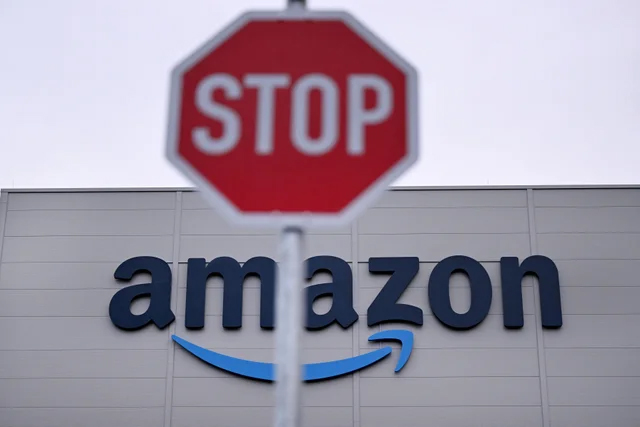
For more than two decades, Amazon has been synonymous with convenience, fast delivery, and customer-centric service. However, recent data suggests that the “Everything Store” may be facing a significant crisis of confidence. As the platform increasingly shifts toward a marketplace-first model dominated by third-party sellers and automated customer service systems, many consumers are questioning whether Amazon remains a safe and reliable place to shop.
This comprehensive review analyzes 45,732 independent user signals from platforms such as Trustpilot, Reddit, and Consumer Reports to determine whether Amazon still deserves its reputation as the gold standard of e-commerce.
Trust Score: 35/100
⭐ Overall Rating: 35/100 – High Risk
Amazon’s Trust Score places it in the “Poor/Caution” category, indicating significant concerns regarding reliability and customer support. The score is derived from a multi-factor evaluation that includes sentiment analysis, review authenticity, complaint severity, price-value alignment, and long-term quality trends.
Trust Score Breakdown
| Metric | Weight | Result |
|---|---|---|
| Review Sentiment | 30% | 12% Positive / 82% Negative |
| Review Authenticity | 25% | 45/100 |
| Complaint Severity | 20% | High |
| Price-Value Alignment | 15% | 4/10 |
| Quality Consistency | 10% | Declining |
What Is Amazon?
Amazon is the world’s largest online retailer and a dominant force in cloud computing, digital streaming, and artificial intelligence. While its Prime Membership continues to offer fast shipping and digital perks such as Prime Video and Kindle services, the platform has increasingly prioritized third-party marketplace expansion and automated efficiency over personalized customer support.
🆚 Amazon vs. Competitors (2026)
| Feature | Amazon | Temu | Shein | eBay |
|---|---|---|---|---|
| Trust Level | High | Medium | Medium | Medium |
| Delivery Speed | Excellent | Slow | Moderate | Varies |
| Product Variety | Extensive | High | Fashion-Focused | High |
| Buyer Protection | Strong | Moderate | Moderate | Strong |
| Pricing | Competitive | Very Cheap | Cheap | Competitive |
Key Strengths of Amazon
Despite the low Trust Score, Amazon still maintains several advantages that keep millions of users engaged.
✅ 1. Fast Delivery
When functioning correctly, Amazon’s logistics network remains one of the fastest in the world, with same-day and next-day delivery frequently praised by users.
✅ 2. Vast Product Selection
Consumers value Amazon’s unparalleled inventory, which includes niche and hard-to-find items not readily available in traditional retail stores.
✅ 3. Digital Ecosystem Benefits
Services such as Prime Video, Kindle, and other digital offerings provide additional value that encourages users to maintain their subscriptions.
✅ 4. Convenient Returns for Low-Value Items
For inexpensive products, the return process remains relatively simple and convenient, especially with label-free drop-off options.
Major Problems & Red Flags
❌ 1. Delivery Misrepresentation
Thousands of users report packages marked as “delivered” despite not being received, often left in unsecured or inappropriate locations.
❌ 2. AI-Driven Customer Support Barriers
Many customers experience difficulty reaching human representatives, becoming trapped in automated chat loops that fail to resolve complex issues.
❌ 3. High-Value “Box-Swapping” Incidents
Reports of customers receiving incorrect or empty packages for expensive items significantly undermine trust in the platform.
❌ 4. Review Authenticity Concerns
Approximately 25% of analyzed reviews were flagged as potentially inauthentic, including instances of review hijacking, where ratings from unrelated products are transferred to new listings.
❌ 5. Declining Refund and Support Policies
Recent trends indicate longer refund processing times and stricter verification requirements, such as police reports for missing high-value items.
Pros and Cons Summary
✅ Pros
- Extremely fast delivery in many regions
- Massive product selection
- Valuable Prime digital ecosystem
- Convenient returns for low-cost items
❌ Cons
- Low Trust Score (35/100)
- Increasing reliance on third-party sellers
- Difficulty reaching human customer support
- Risk of receiving incorrect or counterfeit items
- Concerns about review authenticity
- Declining service reliability
Who Should Use Amazon?
✔️ Best For
- Purchasing low-cost household essentials.
- Finding niche or hard-to-source items.
- Users who benefit from Prime digital services.
❌ Not Ideal For
- Buying high-value electronics or luxury goods.
- Time-sensitive gifts requiring reliable delivery.
- Consumers who prefer human customer support.
- Shoppers seeking guaranteed product authenticity.
Top Alternatives to Amazon
| Platform | Key Advantage | Best For |
|---|---|---|
| Walmart / Walmart+ | Easy in-store returns | High-value purchases |
| Target | Better product curation | Quality-focused shoppers |
| eBay (Top Rated Sellers) | Strong buyer protection | Unique or second-hand items |
Final Verdict: Is Amazon Still Worth It in 2026?
⭐ Overall Rating: 3.5/10
Amazon remains a convenient platform for everyday purchases, but its declining trust indicators suggest that it is no longer the universally “safe” marketplace it once was. The shift toward automation and an expansive third-party ecosystem has introduced new risks, particularly for high-value transactions.
🏁 Bottom Line
Use Amazon for low-cost, non-urgent items where convenience is the priority.
Avoid Amazon for expensive electronics or critical purchases where reliability and customer support are essential.
Frequently Asked Questions (FAQ)
1. Is Amazon safe to use in 2026?
Yes, but primarily for low-value purchases. High-value items carry increased risk due to support and authenticity concerns.
2. Why is Amazon’s Trust Score low?
The low score is driven by negative sentiment, review authenticity issues, delivery problems, and declining customer support.
3. What are the best alternatives to Amazon?
Walmart, Target, and eBay (Top Rated Sellers) offer stronger buyer protection and more reliable customer service.
4. Should I keep my Amazon Prime membership?
If you frequently use Prime Video or purchase low-cost items, it may still provide value. Otherwise, reconsider based on your shopping needs.